
Overview
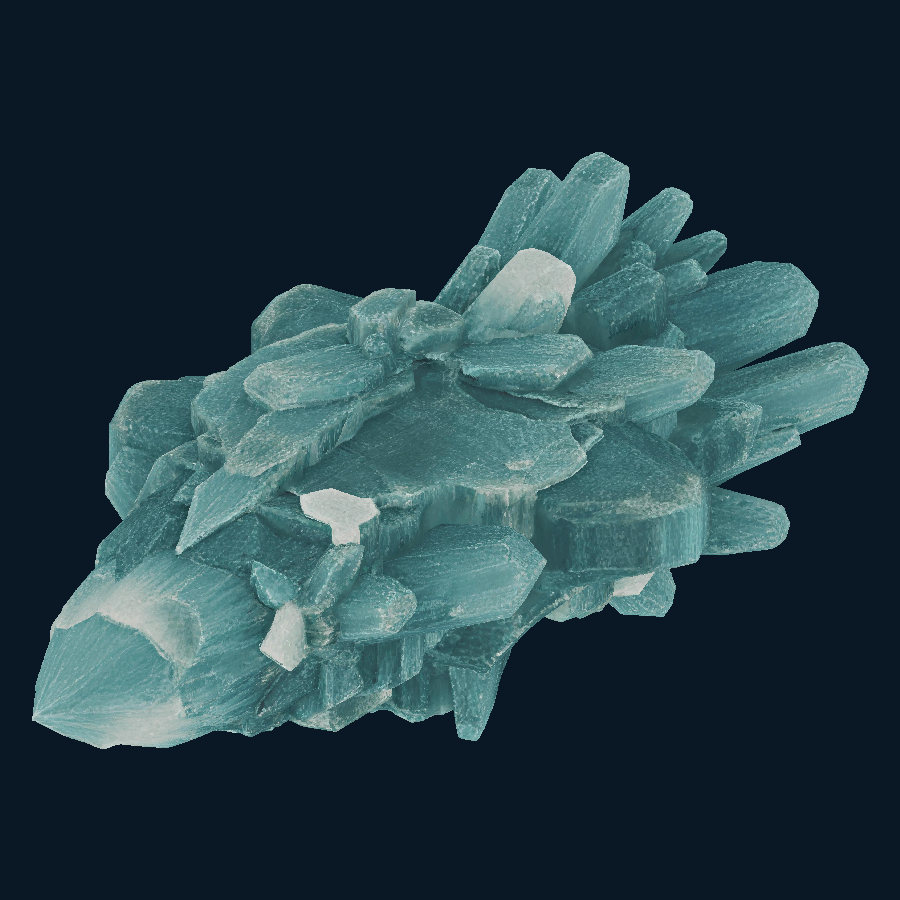
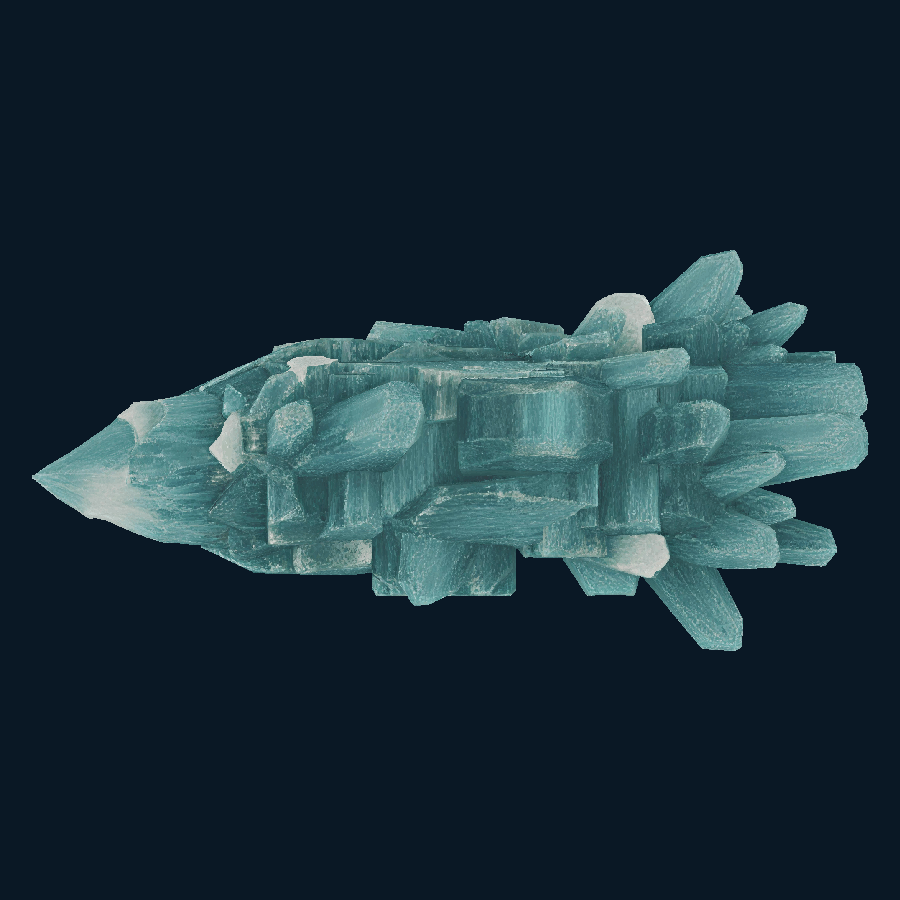
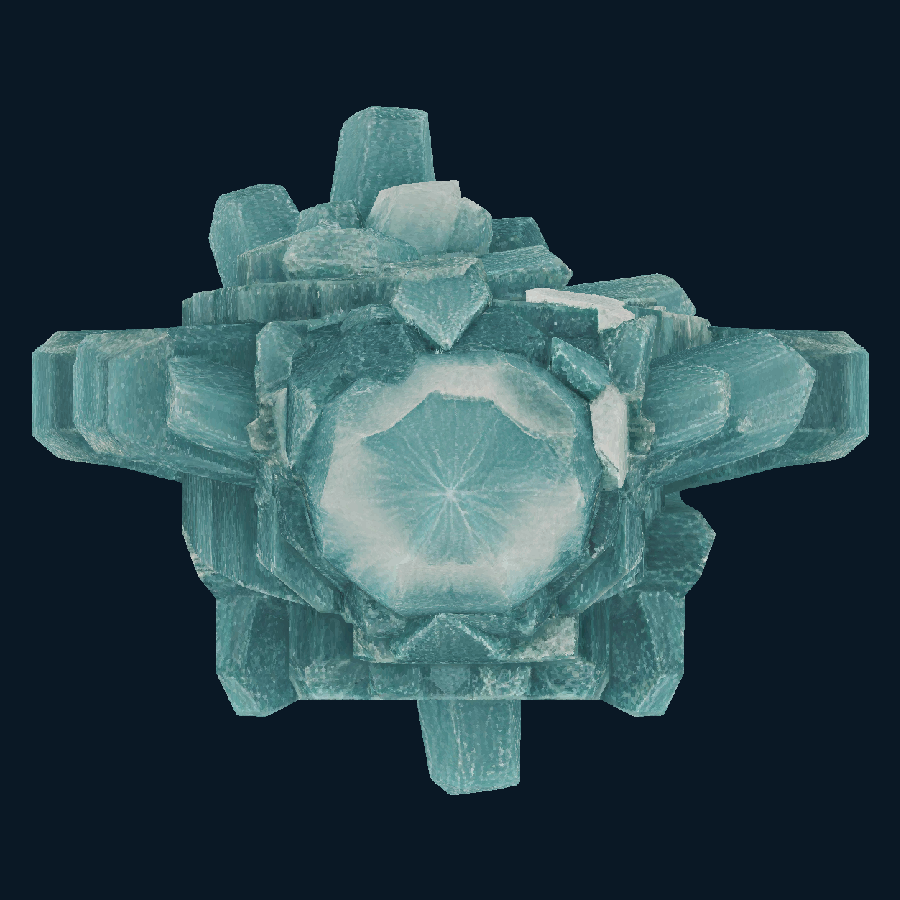
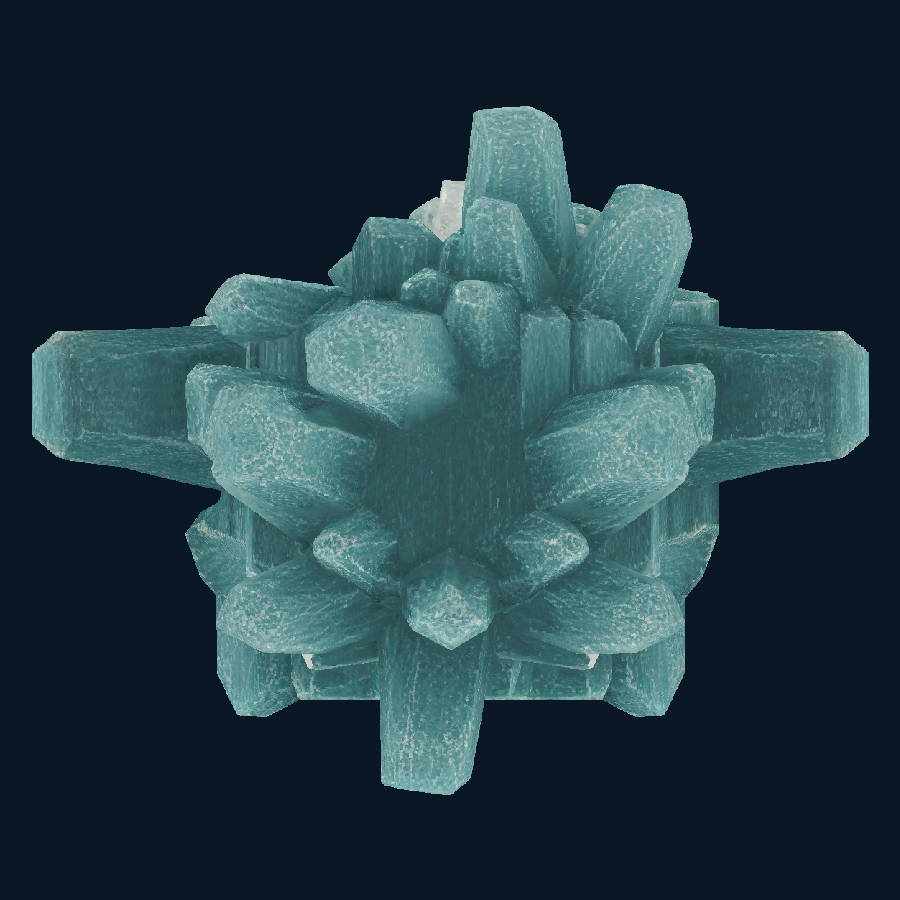
A Tideprism fleet fortress of the Divided Anchorage lineage, with a pointed crystal prow, a tall central mass and fused rear growths
Vessel Profile
Weapons & Armament
A massive fused forward seed-point aligns dense crystal-metal domains to concentrate sustained field pressure. The attack grows from the body’s forward mass; the vessel does not specify a separate battery count or fixed discharge rate.
Dimensions & Scale
Length 3,200 m × Width 2,355 m × Height 1,472 m. Fictional overall dimensions in standard operating configuration.
External Anatomy
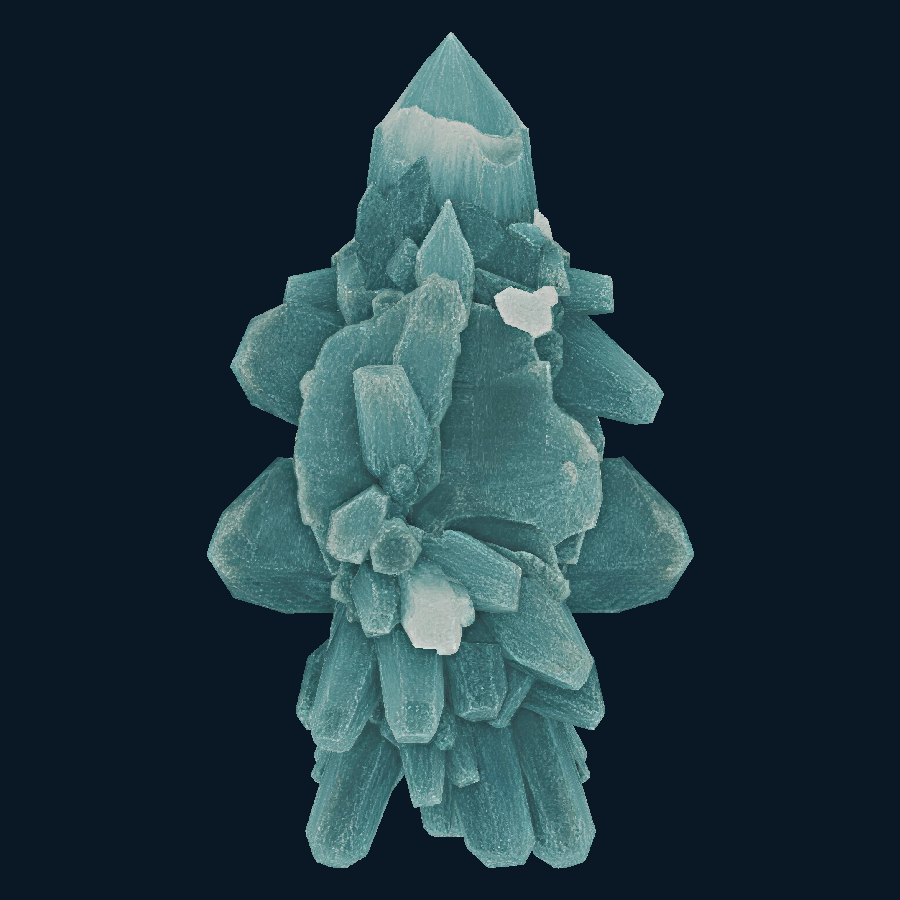
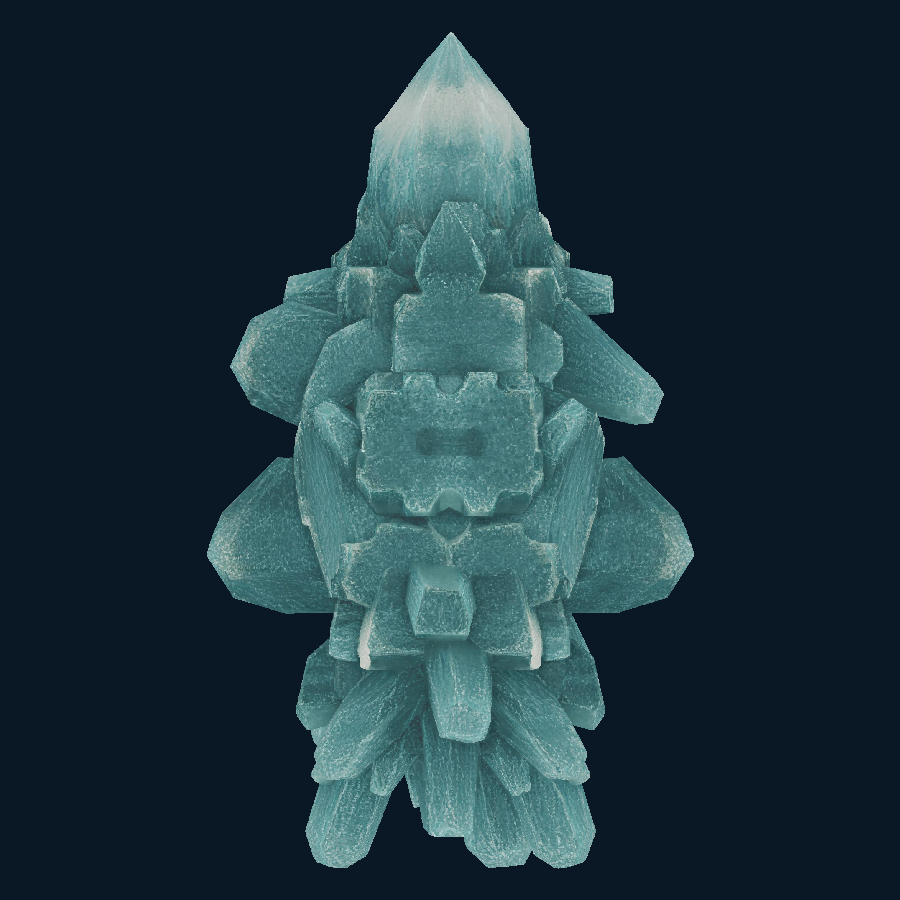
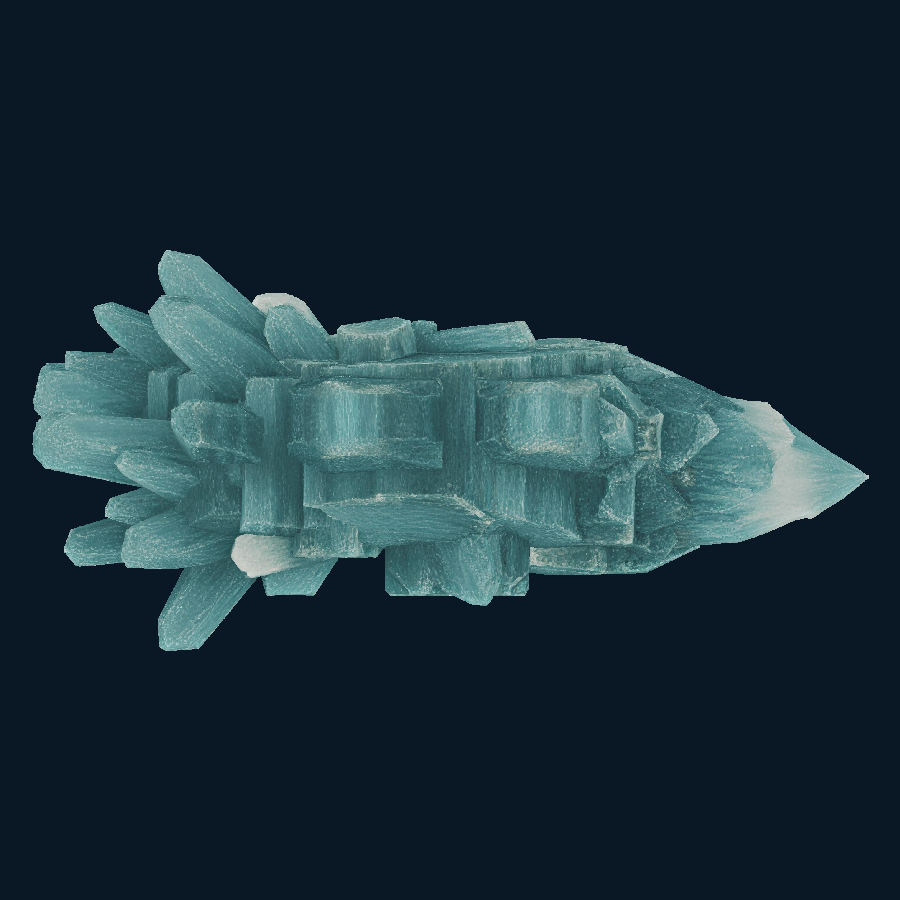
A pointed forward crystal mass leads into a tall reinforced central cluster. Broad lateral growths and diverging rear crystals remain fused into one continuous body.
Functional Architecture
Metal-rich paths reinforce growth boundaries, carry energy and stabilize resonance. The central lattice distributes field load and supplies repair substrate. Proposed fortress operations coordinate nearby vessels around a stable protected region without requiring human-style hangars or mechanical service decks.
Technical Specifications
Offensive rating: 81/100 — A massive fused forward seed-point aligns dense crystal-metal domains to concentrate sustained field pressure
Defensive rating: 96/100 — Intergrown domains, metal-rich reinforcement paths and exceptional central depth distribute incoming force through a continuous structure
Mobility rating: 16/100 — Maneuvering supports the formation and mission profile rather than unrestricted pursuit
Tactical cognition rating: 79/100 — Target assessment, formation coordination and response timing support bastion-class fleet fortress operations
Endurance rating: 91/100 — Mission duration depends on finite reserves, damage recovery and scheduled replenishment
Fleet support rating: 80/100 — Provides a stable defensive center and long-duration fleet presence
Fleet Role
Provides a stable defensive center and long-duration fleet presence. Smaller fieldships and cruisers maneuver around it while the fortress sustains a protected gathering point and concentrates pressure along its forward axis.
Life Between Stars
Rear crystal generations change field bias through conductive lattice paths to move the whole body. The immense mass favors planned relocation rather than pursuit. No mechanical thruster arrangement or quantified acceleration is inferred from the geometry.
Defense Architecture
Intergrown domains, metal-rich reinforcement paths and exceptional central depth distribute incoming force through a continuous structure. Protective field coordination is proposed to favor broad formation shelter over rapid pursuit of individual threats.
Operational Limits
The broad fortress body is slow to reposition. Simultaneous attack, protection and regrowth compete for reserve energy and lattice stability. Damage through a deep shared root can affect several connected functions, and the largest repairs require extensive compatible mineral material.
Strategic Strengths
Exceptional protective depth, persistent reserve capacity and coherent field coordination make Tideprism a durable fleet center. Its value is greatest when other vessels can use the time and shelter it provides.
Capability Assessment
Broad fused crystal masses and a dense forward seed-point support sustained field pressure and exceptional defensive endurance. This fortress excels at holding a formation, with slow repositioning and less flexible attack than a dedicated heavy fieldship.
B · 73.8
Fleet-wide concept rating, 0–100; not simulated performance. Specialized strengths do not imply an equally high overall grade. Tactical Cognition describes sensing, coordination and command. Grade is the equal-weight mean: S ≥ 90, A ≥ 75, B ≥ 60, C ≥ 45, D < 45.
Technology Level
Proposed T2 — integrated field motion and phase-compatible fleet operations, following the reference exhibit’s editorial classification. This is a setting proposal, not a measured transit specification.
Weapon Class
Proposed W2 — concentrated field engagement against fleet targets. No world-scale destructive capability is assigned.
T0 planetary · T1 system flight · T2 phase travel · T3 limited world engineering. W0 point defense · W1 ship combat · W2 heavy fleet combat · W3 strategic theater systems. Technology and weapon classes are independent of the profile grade.
History & Lineage
Universe lore · authored service history
Origin
Cultivated as a long-duration gathering and protection body for dispersed Cryvum routes and recovering mineral settlements
Lineage & Branch
Beryl-derived Bastion fleet fortress. Its mineral domains and metallic phases grow together as one connected body.
Fleet or Unit
Cryvum fleet
Individual History
The Divided Anchorage — This Tideprism confluence first entered service when a mineral refuge split between immediate evacuation and continued restoration. Its custodians established separate protected departure windows, allowing either group to move without compelling the other to follow.
The Unfinished Return — During its second migration, the fortress held position beyond a closing transit interval to recover a scattered seed convoy. It missed the direct return route and spent a full replenishment cycle at a remote reef. The surviving convoy later became its permanent outer watch.
The Patient Bastion — The confluence now guards the approaches to recovering settlements. Its register preserves the names of those who chose to stay as carefully as those it carried away. It is a separate service lineage from the earlier Tideprism refuge vessel.